

ÉCONOMUSÉE® Network Society Members in Quebec Lead the Way in Sustainable Tourism Practices
The ÉCONOMUSÉE® Network Society (ENS), promoter of the Artisans at Work experience, brings together artisans who place sustainable development at the heart of their operations and visitor experiences—combining the sharing of their craft with respect for the environment.
Founded in 1992 in Québec, Canada, the ENS is an international non-profit organization that works to preserve intangible cultural heritage and helps artisans showcase their skills to the public through three concepts: the ÉCONOMUSÉE®, the CULINARY SPACE, and the HERITAGE SPACE. In 2021, ENS adopted a sustainability policy and launched a support plan to help its members achieve measurable, ongoing improvements in sustainability.
An Organization That Shares Our Vision
At GreenStep, we are proud to collaborate with ENS, an organization that shares our vision of a prosperous, low-impact tourism economy. ENS’s model demonstrates how sector associations can drive industry-wide change by equipping their members with training, tools, and support to achieve meaningful sustainability outcomes.
Sustainable Development Practices Among ENS Members in Québec
Several ENS artisans are putting sustainability into action by adopting responsible sourcing practices, reducing waste, investing in energy efficiency, and strengthening community ties. While each business preserves its own unique intangible cultural heritage, all share a common commitment to continuous sustainability improvement.
The following examples show how businesses are integrating sustainable practices while enhancing visitor experiences and contributing to a more resilient tourism economy:
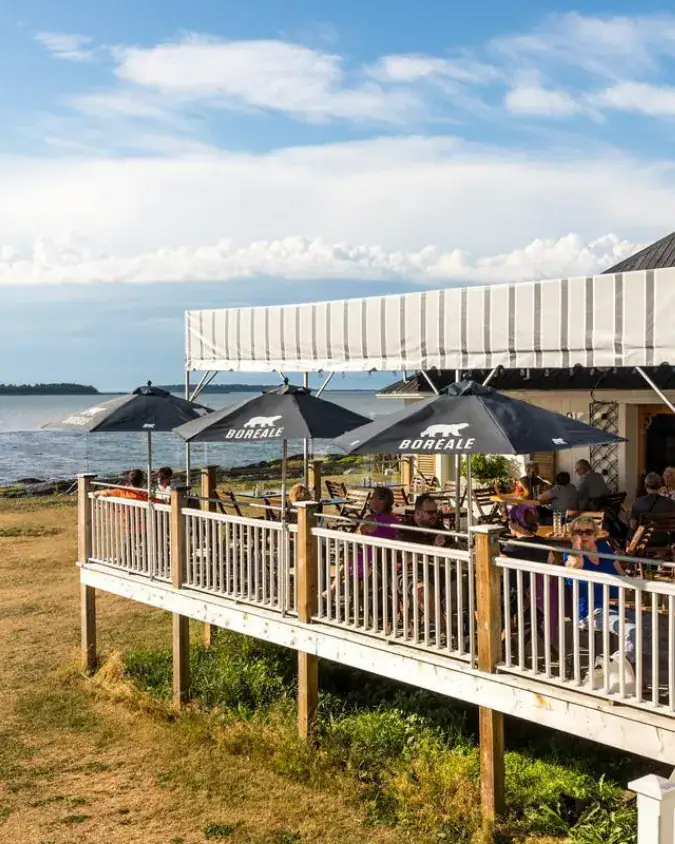
Côté Est – Culinary Space (Bas-Saint-Laurent) – Silver Level
Côté Est offers a terroir-focused culinary experience. The restaurant sources 95% of its ingredients locally and prioritizes organic and natural wines.
In 2024, the team expanded local supplier partnerships, installed EV charging stations, and revamped its packaging with the support of COESIO—a project that earned them a grant. Their choice to eliminate all single-use dishware on the patio is another example of their commitment to continuous improvement.
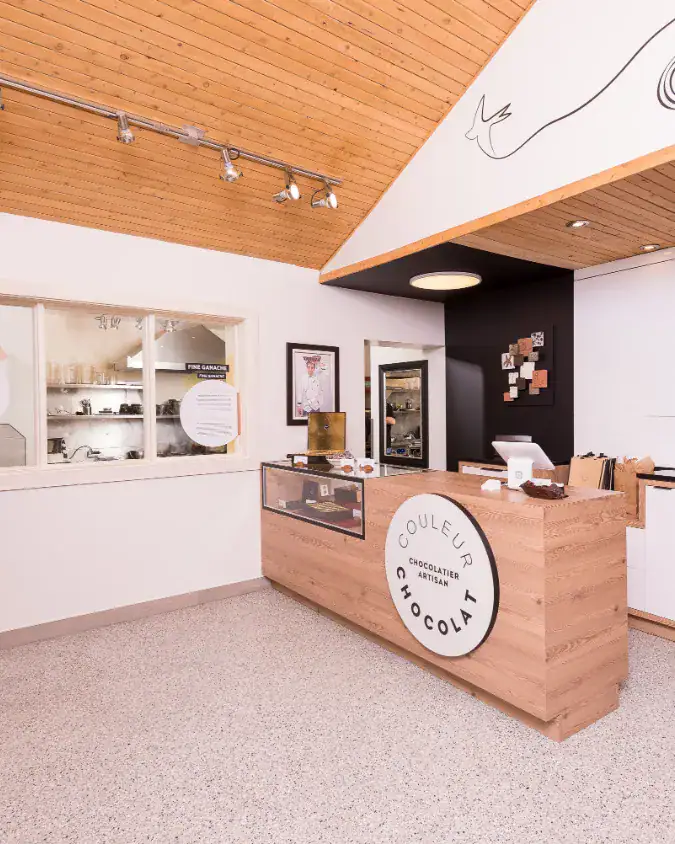
Couleur Chocolat – Chocolate Maker ÉCONOMUSÉE® (Gaspésie) – Bronze Level
A producer of fine chocolates, Couleur Chocolat is committed to sustainability, employee wellbeing, and community engagement.
The company formalized its sustainability commitment by forming a sustainability committee and setting measurable goals. Actions include composting, adopting a diversity, equity and inclusion policy, and using certified eco-products.
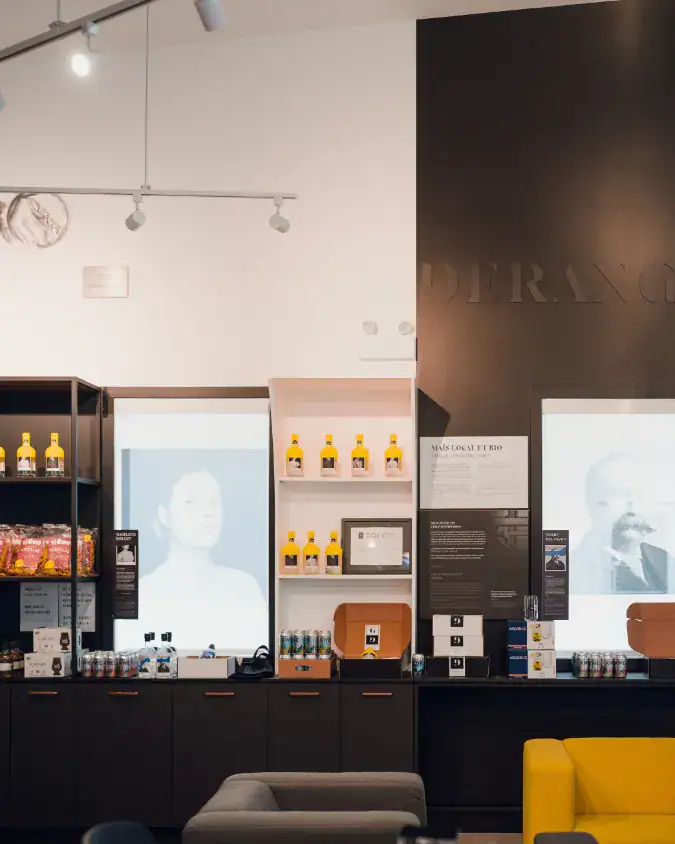
Distillerie Grand Dérangement – Distiller ÉCONOMUSÉE® (Lanaudière) – Silver Level
Distillerie Grand Dérangement crafts organic, traceable spirits from locally grown ingredients.
The distillery grows its own organic grains within a 20 km radius, allowing full product traceability and a reduced carbon footprint. Their local sourcing and transparency practices showcase how small producers can prioritize quality while making thoughtful sustainability choices.
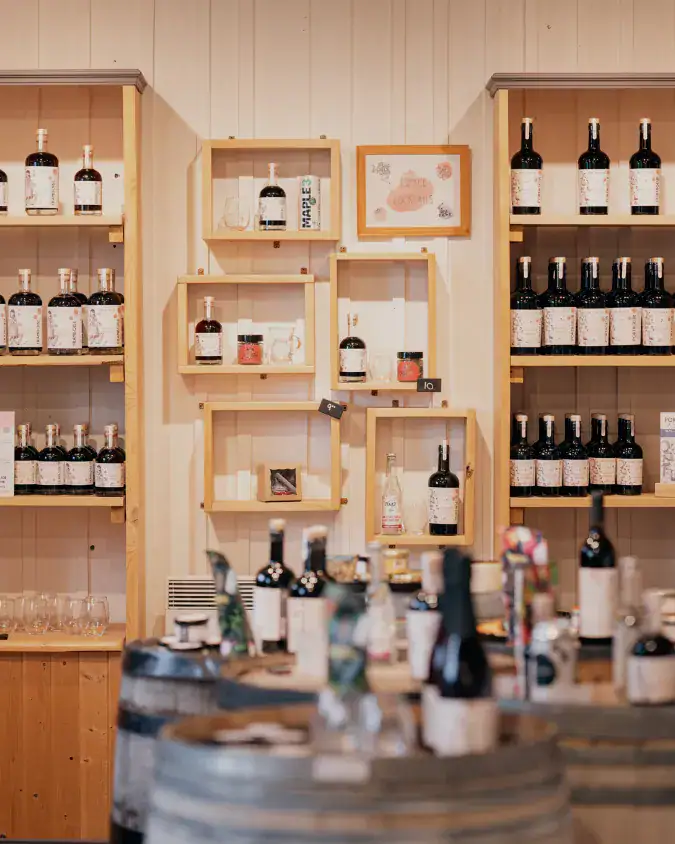
Le Ricaneux – Berry Wines ÉCONOMUSÉE® (Chaudière – Appalaches) – Bronze Level
Le Ricaneux produces small-batch berry wines while minimizing environmental impact and preserving regional traditions.
They grow fruit without chemicals, use eco-friendly agricultural techniques like ground cover and drip irrigation, and embrace the circular economy by reducing and repurposing waste. The site is eco-conscious and accessible, with EV charging, local events, and inclusive infrastructure.
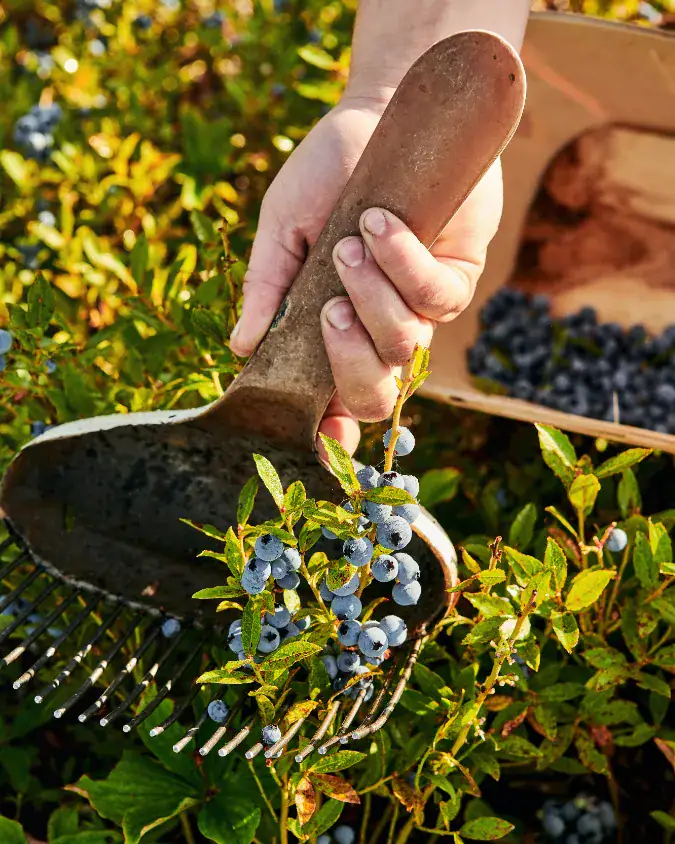
Délices du Lac-Saint-Jean – Wild Blueberry Jam Maker ÉCONOMUSÉE® (Saguenay–Lac-Saint-Jean) – Silver Level
Délices du Lac-Saint-Jean highlights wild blueberry harvesting and processing through sustainable production and public education.
Sustainability is embedded across the business—from organic farming and composting to seed paper brochures. The company prioritizes transparency, community engagement, and eco-friendly packaging. The site is also accessible to those with mobility challenges and includes e-bike charging.
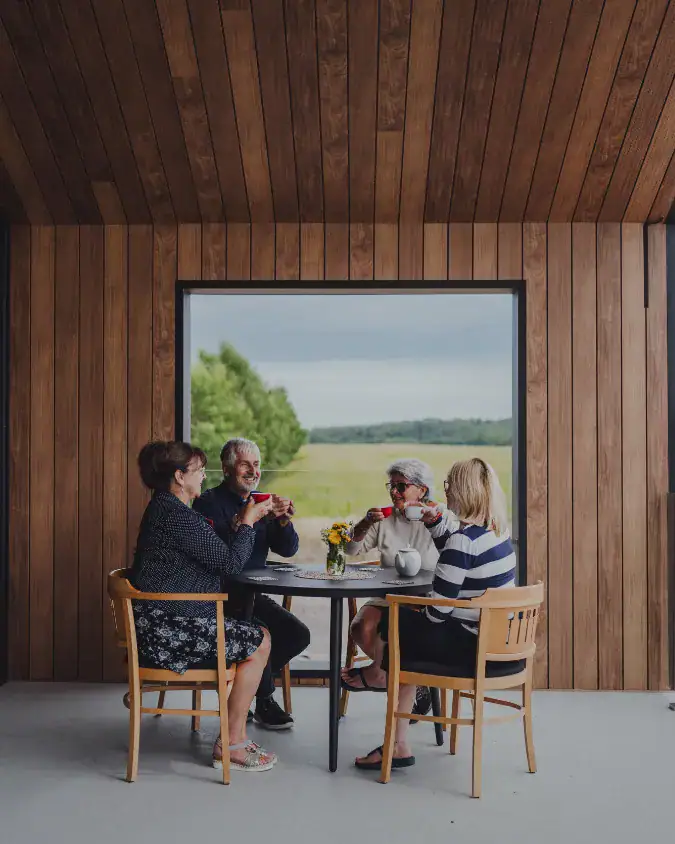
Ferme Tournevent – Oil Mill ÉCONOMUSÉE® (Saguenay–Lac-Saint-Jean) – Silver Level
Ferme Tournevent produces organic oils with a zero-waste philosophy and a focus on soil health and biodiversity.
Founded in 2008, the farm cold-presses organic oils and embraces circular economy practices by reusing by-products to achieve zero waste. They optimize energy efficiency through water meters and well-insulated buildings, use recyclable packaging, and educate the public on sustainable consumption. Their regenerative approach makes them a rural sustainability leader.
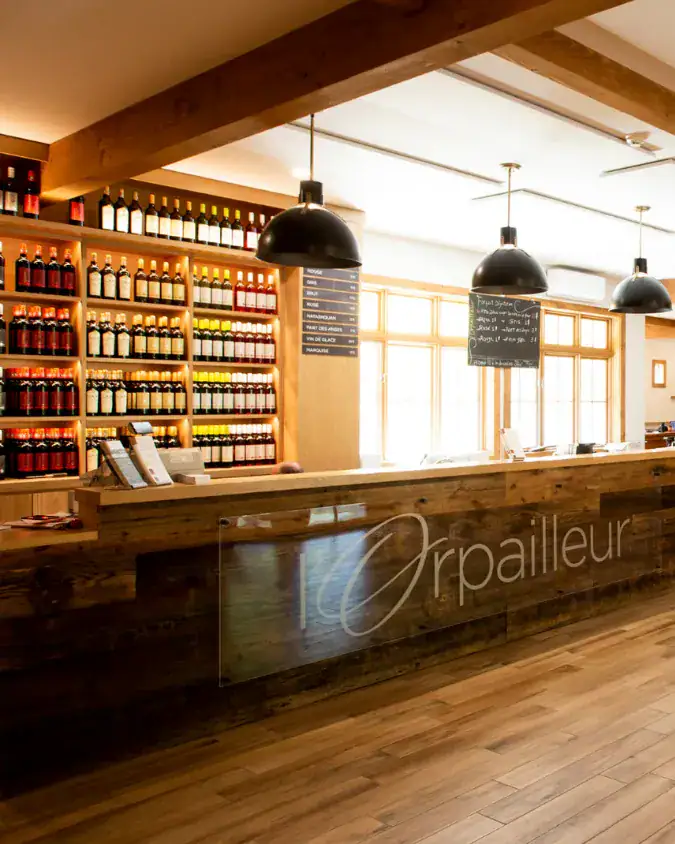
Vignoble de l’Orpailleur – Winemaker ÉCONOMUSÉE® (Eastern Townships) – Silver Level
Vignoble de l’Orpailleur integrates sustainable viticulture practices throughout its operations and educates visitors on environmental stewardship.
The winery has set measurable sustainability goals, improves energy efficiency, and reduces GHG emissions by exploring carbon storage in soils. They collaborate with public and private biodiversity research projects and promote responsible viticulture through low-impact practices and thoughtful cultivation methods.
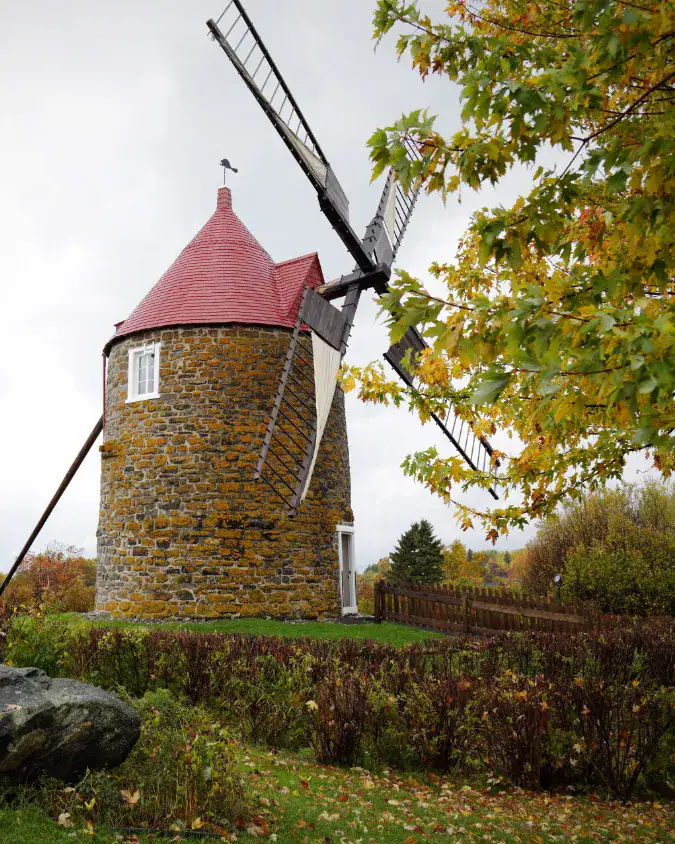
Les Moulins de l’Isle-aux-Coudres – Flour Milling ÉCONOMUSÉE® (Charlevoix) – Bronze Level
Preserving flour milling heritage through sustainable tourism.
The site updated its policies and operations to prioritize sustainability, including energy use reduction, material reuse, recycling promotion, local sourcing, and education on accessible, inclusive tourism. Accessibility and inclusion are central, with adapted facilities and inclusive programming.
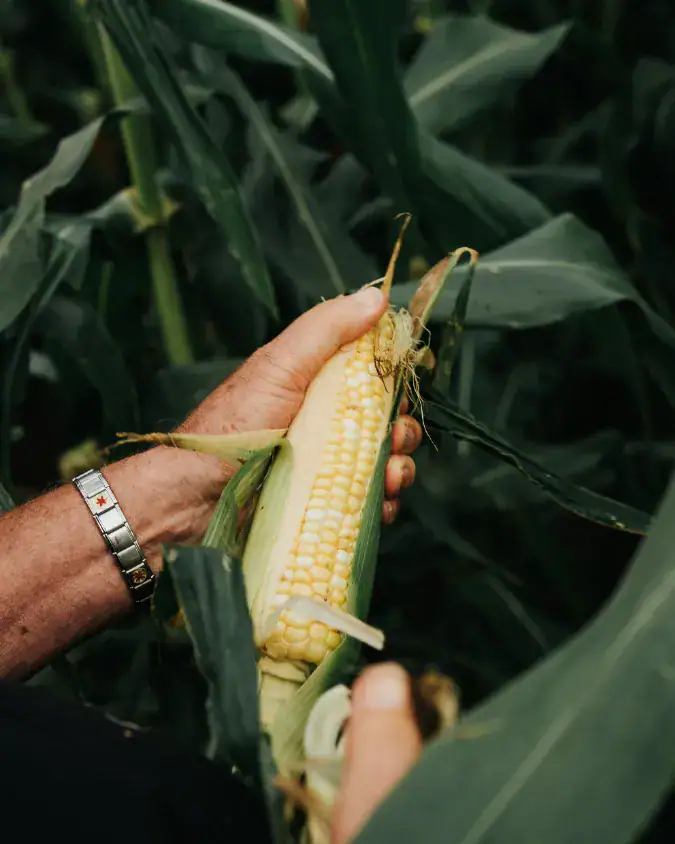
Ferme Langlois et Fils – Chez Médé – Market Gardener ÉCONOMUSÉE® (Portneuf) – Bronze Level
Honouring the heritage of Neuville’s famous sweet corn through eco-friendly practices.
A 12th-generation farm operating since 1667, Langlois et Fils practices sustainable agriculture by processing products on-site, promoting local sales, and using natural pest control. Their Neuville sweet corn is a protected designation known for its authenticity and quality. The farm highlights traditional agriculture and environmental management during visits.
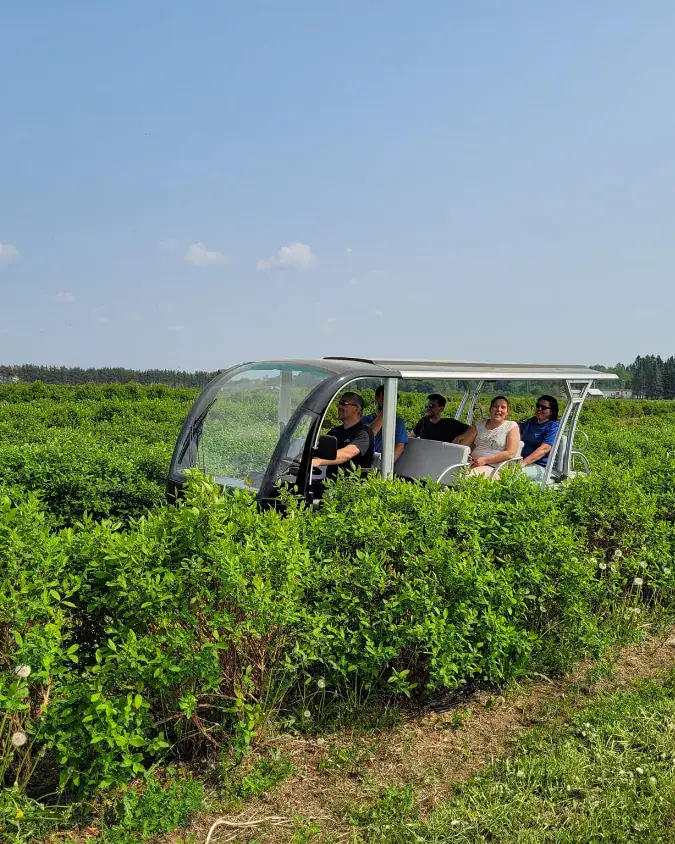
Camerises Mistouk – Haskap Cannery ÉCONOMUSÉE® (Saguenay–Lac-Saint-Jean) – Silver Level
Camerises Mistouk processes haskap berries with a focus on nature conservation and sustainable packaging.
Beyond their initial GreenStep assessment, they continue to implement sustainability practices. They encourage customers to return jars, clean them with a new bottle washer that recycles hot water, and reuse recovered materials. Most materials for recent renovations—doors, sinks, chairs—were purchased second-hand. They prioritize used items when making major purchases.
During recent renovations, most materials—such as doors, showers, sinks, and chairs—were purchased second-hand. Before making major purchases, the team checks local classified ads to find used items whenever possible.
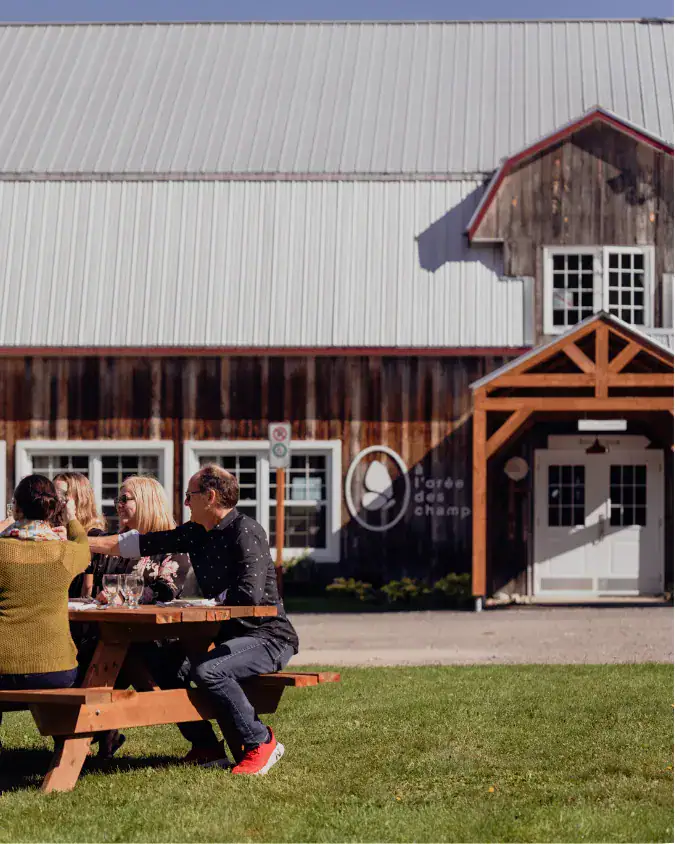
À l’Orée des Champs – Lamb Butcher ÉCONOMUSÉE® (Saguenay–Lac-Saint-Jean) – Bronze Level
Crafting lamb charcuterie while supporting biodiversity and reducing food waste.
Through the GreenStep evaluation process, the company revised its resource management, equipment upgrades, and food waste reduction strategies. Composting and recycling are now fully implemented, and local, sustainable, reusable materials are prioritized. During events, visitors are encouraged to avoid single-use products and opt for reusable containers, with eco-friendly options available to promote respectful, authentic experiences.
Building a More Sustainable Tourism Sector
The ENS leadership and support model shows how sector associations can help members achieve meaningful sustainability progress. By combining intangible cultural heritage with climate-conscious practices, ENS members are proving that artisans can play a vital role in shaping the future of sustainable tourism.
Ready to support sustainable development of your members or your own business?
Learn more about GreenStep certifications and sustainable business programs or book a consult.